
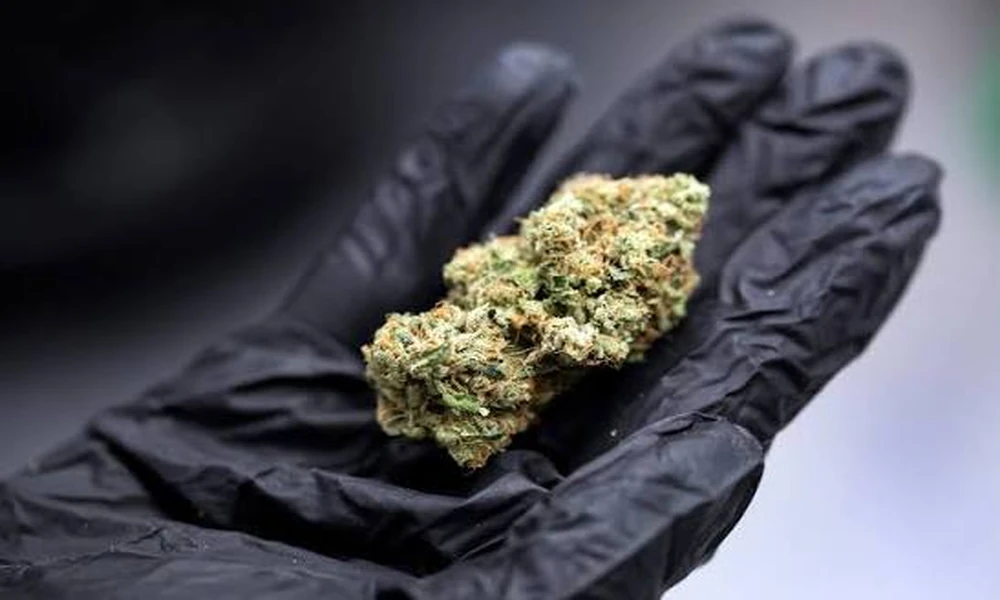
Nevada’s adult-use cannabis market has moved well past its launch phase. Voters approved recreational cannabis in 2016, and retail sales to adults 21 and older began on July 1, 2017 (Nevada Department of Taxation). Nearly a decade later, the market looks less like a gold rush and more like a mature retail category, with price competition, consolidation, and shoppers who know what they want.
How has regulation changed since launch?
Regulation has become more centralized and more specialized since launch. In 2020, the state moved oversight of the industry to a dedicated regulator, the Cannabis Compliance Board, which now licenses businesses, sets testing and packaging rules, and enforces compliance (Nevada Cannabis Compliance Board). A single focused agency has given operators clearer expectations and given consumers more consistent standards.
What do stricter standards mean for shoppers?
Stricter standards mean shoppers can expect consistent testing, labeling, and packaging across licensed stores. Every product sold through the regulated market must move through a tracked supply chain, which separates licensed dispensaries from unregulated sellers.
Where do locally owned operators fit in the market?
Locally owned operators fit in by competing on service, convenience, and community ties rather than scale alone. Green Dispensary, a locally owned and operated Nevada company, runs four Las Vegas-area locations in Rainbow, Henderson, Hualapai, and North Las Vegas (Green Dispensary). A multi-store local footprint lets an operator serve residents across the valley while keeping decisions close to the community.
Why does local ownership matter to residents?
Local ownership matters because residents increasingly prefer businesses that know their neighborhoods. Locally run stores can adjust product selection, staffing, and hours to match the people who shop there, rather than following a national playbook built for other markets.
How large is the visitor side of the market?
The visitor side of the market is large because Las Vegas draws travelers year round. The destination welcomed about 41.7 million visitors in 2024 (Las Vegas Convention and Visitors Authority). Many of those visitors come from states without legal adult-use cannabis, which shapes demand for education, simple product formats, and clear guidance on local rules.
How do residents and visitors shop differently?
Residents and visitors tend to shop differently in a few consistent ways:
- Residents return often and value loyalty programs and delivery
- Visitors buy less often and ask more questions about local laws
- Residents explore a wider range of product categories
- Visitors favor convenient, easy-to-understand formats
What is driving competition between dispensaries?
Competition is driven by price, product selection, and convenience. As more stores opened and wholesale supply grew, shelf prices came under pressure, and dispensaries began differentiating through delivery, rewards programs, longer hours, and staff who can explain products clearly. Stores that make shopping simple tend to earn repeat customers in a crowded market.
How important is staff knowledge?
Staff knowledge is especially important in a mature market because shoppers have more choices than ever. Budtenders who explain options without jargon or pressure help new customers feel comfortable and help regular customers find products that match their preferences.
What does voter support say about the market’s stability?
Voter support suggests the market rests on durable public approval. The 2016 ballot question legalizing adult-use cannabis passed with about 54 percent of the vote (Nevada Secretary of State). Since then, the legislature has continued to refine the program rather than roll it back, signaling long-term stability for licensed businesses.
How do operators keep customers returning?
Operators keep customers returning through consistent product quality, rewards that recognize frequent shoppers, and convenient ordering for pickup or delivery. In a market where many stores carry similar brands, the experience around the purchase often decides where customers go next.
What comes next for Nevada cannabis retail?
Nevada cannabis retail is likely to keep shifting toward service and convenience as competitors match each other on price. Operators that combine dependable products, knowledgeable staff, and easy access through multiple stores and delivery are positioned to earn loyalty from both residents and repeat visitors as the market continues to mature.