
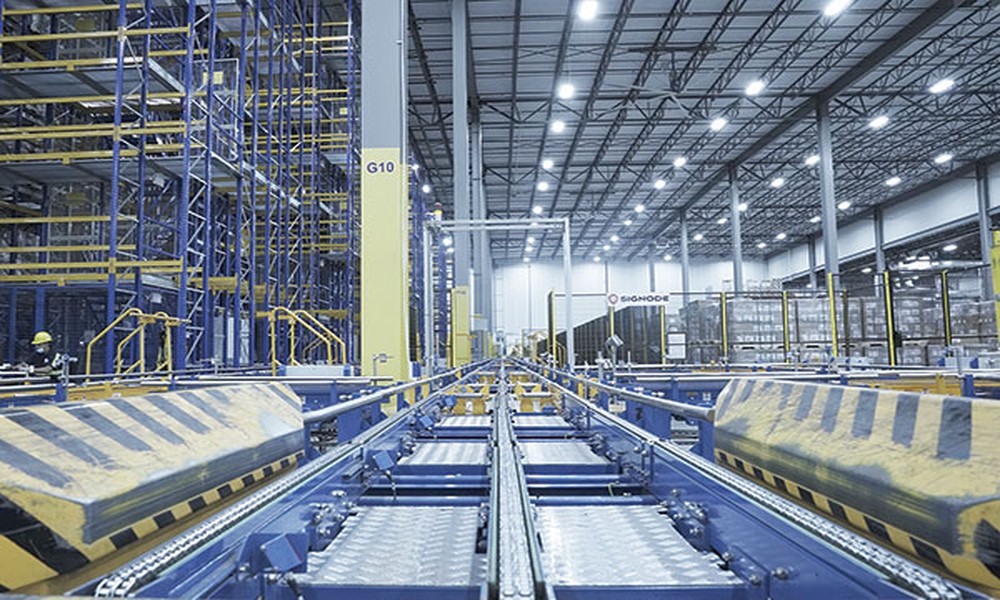
Ready access to automation is sought by various organizations but the high costs required for implementation, technical intricacies involved, and in-house limitations keeps them hesitant. This is where Automation-as-a-Service comes into play as your feasible solution.
Businesses can now access automation tools, support and expertise via a service-based model rather than they have to built management of auto-systems from scratch. These strategies enable organizations to drive efficiencies without investing heavily upfront.
Understanding Automation as a Service
Automation as a service is a business model for using automation technologies via subscription or managed service. The provider deploys, maintains, monitors, & updates the solution while the client does what they are best at − core business activity.
This service can handle everything from data management, workflow automation, inventory tracking, and reporting to operational processes.
This democratizes automation to a larger set of enterprises.
Reasons Why Businesses Are Moving Towards This Model
In traditional automation projects, there is an immense consumption of resources. It may include things such as hardware purchases, hiring specialists, and internal system maintenance.
Most of these challenges are significantly minimized with automation as a service.
Key advantages include:
- Lower upfront costs
- Faster implementation
- Reduced IT workload
- Flexible scaling options
- Access to automation expertise
All these advantages enable organizations to adopt modern technology without adding unnecessary complexity.
Supporting Growth Without Disruption
The increase in size can exert stress on existing business processes. As transaction volumes grow tasks which previously took a matter of minutes may start to take hours.
It helps companies better cope with growth using automation as a service. Automated workflows can perform repetitive tasks consistently without delays, and with a reduced risk of errors.
When business requirements evolve, services can usually be changed over the course of days without a need for large scale redevelopment.
Improving Accuracy and Productivity
Manual processes can create bottlenecks. A lot of that time will be spent by employees entering data, creating reports, or doing other repetitive administrative tasks.
To address such activities, businesses can streamline them by implementing automation as a service. Automation also mitigates human errors and allows employees to engage in activities needing judgement, creativity, and in front of customers.
It leads to many more productive and efficient operation.
Finding the Right Partner
The selection of the provider is the most crucial part of successful automation. Companies must find a partner that knows their business, their operations goals, and future growth.
Maveneer and other firms work with enterprises to pinpoint how they can leverage automation and make it serve business goals. Personalization is often a more effective long-term strategy, compared to a general-purpose solution.
Looking Ahead
More and more, technology is becoming integral in the way businesses operate. Organizations that adopt automation tend to have more operational efficiency and flexibility.
Whether automation is provided as a service or not, organizations can take advantage of its power without the pain of having to run complicated systems internally. It is a realistic method to achieve improved performance, scalability and continuous enhancement.
FAQ
Q: Does automation as a service only serve small businesses?
A: Yes. This service model provides an opportunity for automation tools to be deployed within much smaller companies without the need for significant capital investments.
Q: Does automation replace employees?
A: Automation usually takes on the repetitive work, freeing workers to devote themselves to more strategic functions.
Q: Is automation as a service scalable with a business?
A: Yes. Any solution is generally designed to scale with operational needs over time.