
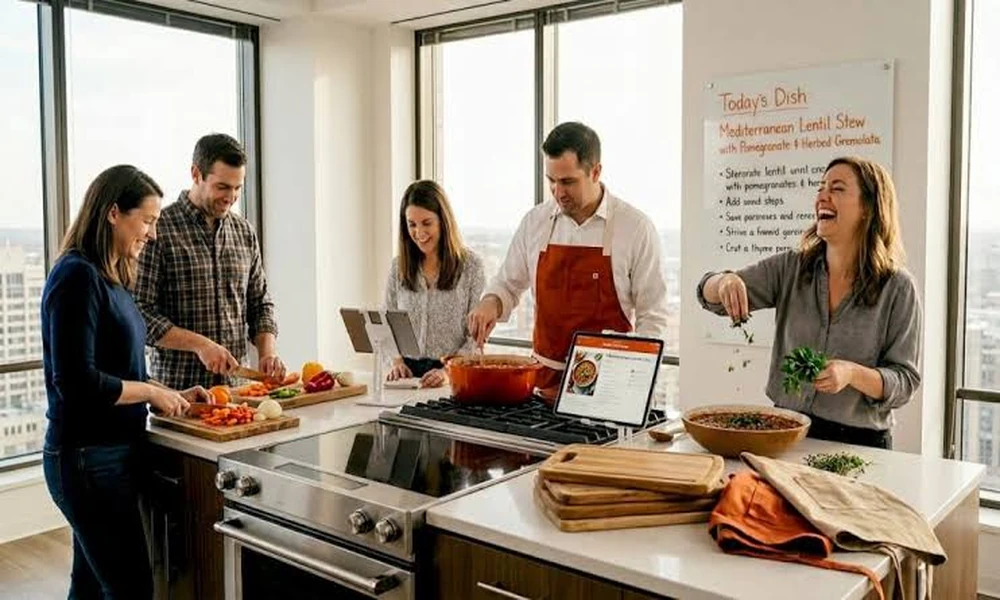
A group can agree enthusiastically in a meeting and still struggle to coordinate an ordinary task. Nobody checks who owns the next action. One person assumes an instruction has been understood. Another notices a problem but waits for permission to speak. A cooking workshop can make these habits easier to notice because the work has an immediate, shared result.
That does not mean a meal diagnoses a workplace or repairs a difficult culture. It provides a different situation in which colleagues can practice asking, listening and handing work over. Its value depends on how the session is designed and what happens afterwards.
For businesses comparing team building milano activities, a cooking session is worth assessing against a specific working problem. Decide whether the aim is helping new colleagues meet, improving handovers or giving people practice coordinating across roles. Those are different purposes, and they need different conversations with the organizer.
A useful session starts with a task people can understand. Preparing a shared meal offers an obvious deadline, limited equipment and several jobs that depend on one another. The trainer can adjust the difficulty, but participants should not need professional cooking experience to contribute.
The task must also leave room for choice. If a trainer directs every movement, colleagues have little opportunity to negotiate responsibilities. If instructions are too vague, the activity may simply frustrate beginners. Enough structure to begin, followed by room to discuss the work, is a more useful arrangement.
Consider an illustrative group asked to prepare several accompaniments for the same serving time. One person starts chopping before checking quantities. Another collects equipment but does not mention that a requested tool is unavailable. A third finishes early and waits. These behaviors are easy to describe without turning them into judgments about personality.
The organizer can pause the group and ask what information would have helped. Perhaps everyone needed a shared view of the remaining jobs. Perhaps the person collecting equipment needed to report a problem immediately. The lesson comes from examining the sequence rather than declaring that someone is a natural leader.
This distinction matters for managers. A colleague who takes charge near a grill may simply have more cooking experience. Another who says little may be concentrating on unfamiliar instructions. Neither observation justifies a conclusion about their overall capability at work.
Avoid turning the session into an unofficial assessment. Tell participants its purpose and explain whether observations will be discussed afterwards. People need to know they are not being ranked on knife skills, confidence or willingness to perform in front of colleagues.
Access and dietary requirements deserve equal attention. An activity built around standing at a work surface may need adjustments. Heat, smoke, noise and food handling can affect participation. Ask the organizer what alternatives exist and make it possible for staff to raise requirements privately.
Participation should include useful roles away from direct cooking. Someone might coordinate timing, check ingredients against the agreed menu or organize how dishes reach the table. Those responsibilities can involve real collaboration, provided they are not treated as lesser jobs.
The menu should support the purpose of the session. Too many separate recipes can leave everyone isolated at a station. One complicated dish may allow an experienced cook to dominate. Several connected tasks create more reasons for people to exchange information.
A shared deadline can be helpful, but forced competition is optional. If colleagues already work under constant performance pressure, adding another ranking may reproduce the same tensions. Ask whether the workshop can focus on delivering a meal together rather than beating another group.
The trainer’s behavior matters too. A confident demonstration is not enough. Look for someone who can explain a task to beginners, notice when a participant is excluded and redirect a conversation without humiliating anyone. Ask how they handle different experience levels within the same group.
There should be a clear boundary around responsibility for equipment and cooking safety. Participants need instruction before using unfamiliar tools or working near heat. The professional organizer should explain its procedures and supervise the activity. An employer should not assume that an informal atmosphere removes the need for preparation.
After the meal, leave time for a short discussion while the details remain easy to recall. Broad questions about whether everyone enjoyed the day produce limited information. Ask when the group needed clarification, where a handover failed and what made it easier for someone to request help.
Keep the conversation tied to observable events. Saying that two people both prepared the same ingredient is useful. Saying that the team lacks trust is a much larger interpretation that the exercise cannot establish on its own.
Ask participants to propose a small workplace change based on what they noticed. They might agree to name the recipient of each handover, repeat back a deadline or keep a shared list of outstanding tasks. Choose an action narrow enough to try during ordinary work.
A manager can then review that action after a suitable period. Did it make responsibilities clearer? Did people use it consistently? Was it helpful in the situations it was meant to address? The workshop becomes a starting point for an experiment rather than evidence of permanent improvement.
Protect the distinction between conversation and measurement. Staff saying they enjoyed the event does not prove better productivity, retention or trust. Those outcomes have many causes and require their own evidence. Avoid promising commercial results from a single afternoon.
It can help to involve participants in choosing that purpose. Ask for examples of everyday coordination problems without requesting personal accusations or naming colleagues. An organizer can translate a general issue, such as unclear handovers, into a practical activity. This also gives staff a reason to attend that is easier to understand than a vague promise of stronger teamwork. Keep any follow-up voluntary and proportionate to the session.
Cost comparisons should reflect the whole session. Ask what the price covers, including preparation, instruction, ingredients, equipment, dietary alternatives and the discussion afterwards. A low quote for cooking time alone may omit the part most relevant to the business.
Location can also affect who attends comfortably. Check transport, arrival times and the length of the day. A late finish may create difficulties for carers or colleagues traveling from outside the city. A convenient format is more inclusive than an impressive venue that some staff cannot easily reach.
When reviewing team building milano proposals, give providers the same practical brief. Explain the group size, purpose, experience levels and participation needs. Compare their responses to that brief rather than judging promotional photographs.
The meal is the immediate result, but it should not be the only thing the organizer helps people notice. Someone may realise that asking a clarifying question saved several minutes of repeated work. Another may see how a timely offer of help changed the group’s workload.
Those modest observations are enough. A cooking workshop does not need to transform an organisation to justify its place in a working year. It needs a clear purpose, considerate delivery and one useful conversation that colleagues can carry back into their next shared task.