
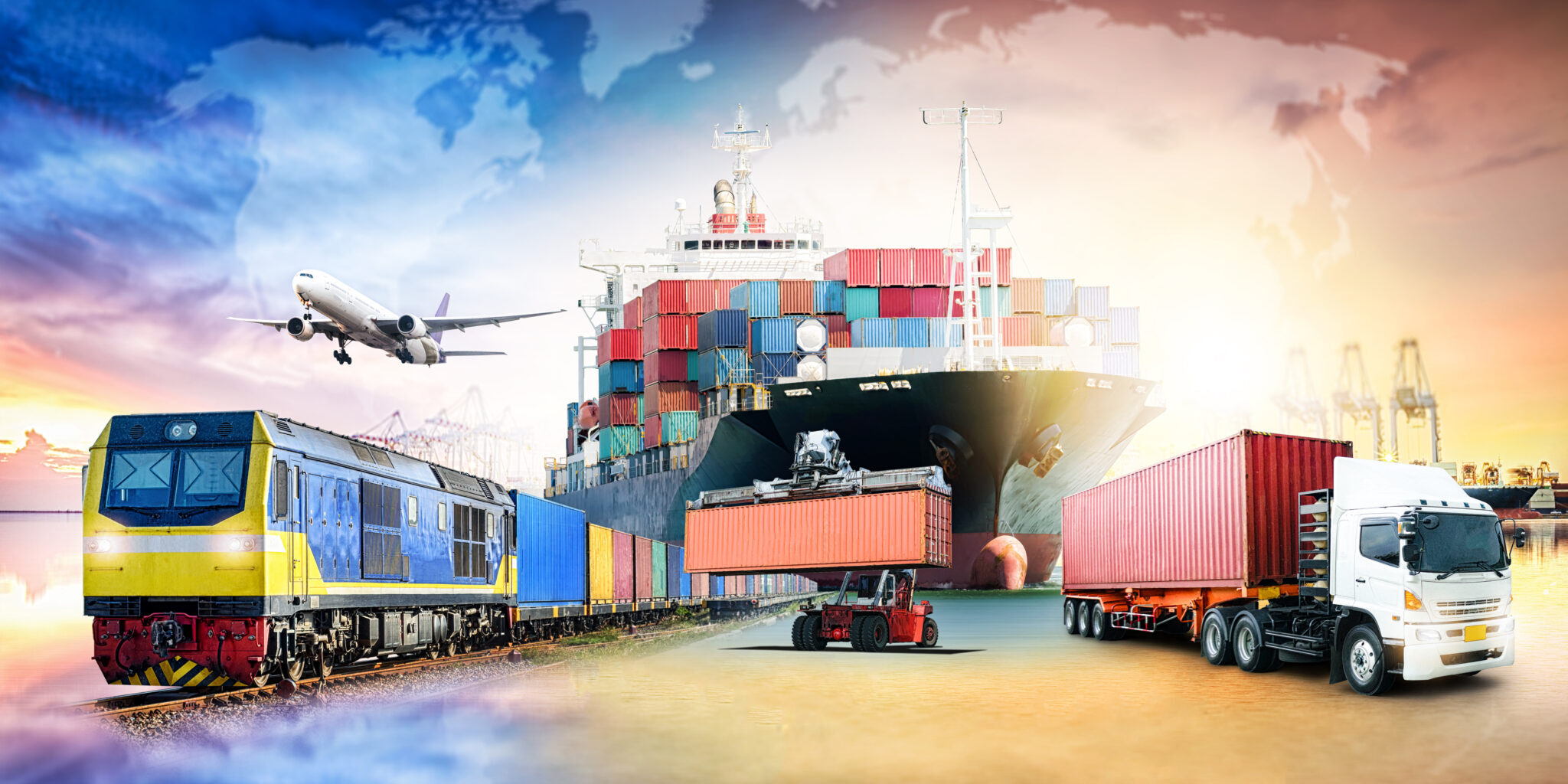
Plenty of companies run their own delivery trucks painted with company logos and staffed by branded employees. These internal systems eat up huge capital for vehicles, staff, and facilities while offering almost no flexibility. Moving from company-owned delivery operations to professional logistics providers takes some planning but produces major operational gains. The change cuts fixed expenses, boosts service quality, and creates scalability that internal fleets cannot deliver. https://www.transportify.com.ph/ shows how outside logistics efficiently takes over what branded delivery operations used to handle.
White-label customization
Logistics providers supply white-label services, keeping the look of internal delivery without the crushing overhead. Customer-facing pieces can show company branding while actual operations run through the provider’s setup.
- Vehicle branding – Trucks carry client logos and colours, creating a smooth brand flow for customers seeing deliveries.
- Uniform customisation – Drivers wear client-branded clothes, looking like company staff rather than outside contractors.
- Documentation consistency – Delivery slips, tracking messages, and customer contacts use client branding everywhere.
- Dedicated phone lines – Support calls go through numbers branded to the client instead of generic provider contacts.
This customisation keeps brand identity that companies fear losing when handing off delivery, while dumping the capital drain and operational headaches of actually running fleets themselves.
Integration capabilities
Replacing branded systems requires connecting providers with current business operations smoothly. Current providers supply integration tools linking their platforms with client inventory tracking, order handling, and customer databases. API connections let software swap data between company systems and logistics platforms automatically without typing everything in manually. Inventory counts, order status, and delivery tracking refresh across all systems at once. Custom reports format data matching existing business analysis tools and report layouts. Legacy system compatibility means providers work with older software common in established companies instead of forcing total system rebuilds that would cost millions and take years.
Scalability advantages
Branded delivery systems built for today’s volume fall apart when business jumps up or drops substantially. Growing requires buying more trucks and hiring extra drivers months before revenue from growth pays for the spending. Shrinkage leaves companies stuck with excess capacity they still must feed. Logistics providers scale capacity instantly, matching real needs without advance promises. Seasonal rushes get handled through the provider’s wider driver pool serving many clients whose crazy periods don’t all hit simultaneously. Geographic expansion happens right away instead of needing delivery infrastructure in new areas before serving customers there. Testing new markets becomes doable without permanent infrastructure spending that turns into sunk costs when expansion bombs.
Performance measurement
Internal delivery operations frequently skip serious performance tracking beyond basic numbers. Logistics providers deliver detailed analytics measuring delivery performance across many angles. On-time percentages show precise counts of deliveries hitting promised windows instead of rough guesses. Cost per delivery reveals actual expenses per shipment with all overhead properly split up. Customer satisfaction comes from systematic feedback gathering and checking for spot service improvement chances. Damage rates track cargo condition problems, showing handling issues needing fixes.
These numbers enable improvement driven by actual data, impossible with casual internal tracking typical of branded operations, where measurement discipline often gets tossed aside when operational fires need fighting. Swapping branded delivery for professional logistics cuts capital needs, turns fixed costs into variable spending, and supplies performance visibility that internal systems rarely manage. Companies get delivery capabilities matching or beating their old operations without the overhead, making those systems increasingly impossible to justify.