
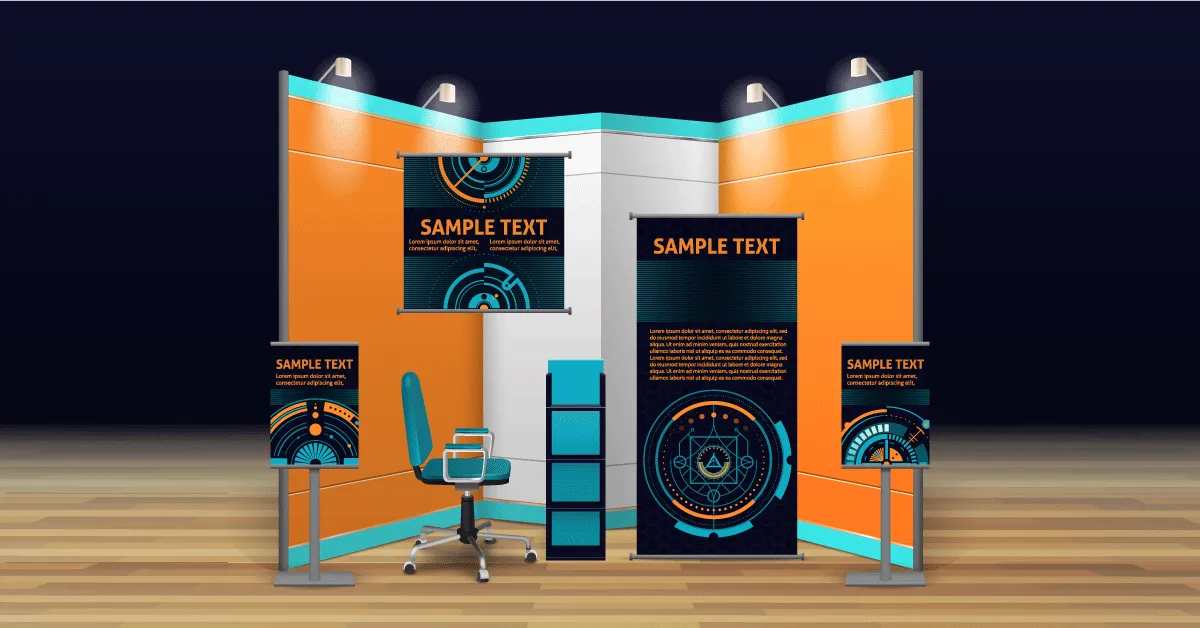
A well-designed trade show booth is more than just a display—it is a strategic tool for driving foot traffic and generating leads. Smart booth layouts guide visitors naturally through the space, highlight key products or messages, and encourage meaningful interactions. Whether your goal is lead generation, product demonstrations, or brand awareness, the layout of your booth plays a critical role in achieving success. Understanding how to design a booth that maximizes engagement ensures that every square foot contributes to your trade show objectives.
Why Layout Matters
The layout of a trade show booth affects visitor perception, engagement, and behavior. Key benefits of a smart layout include:
- Increased booth traffic by creating clear pathways
- Improved visitor experience and comfort
- Enhanced product visibility and messaging
- Higher lead capture through strategic placement of demo stations and staff
- Better flow that encourages exploration and longer dwell times
Exhibitors that prioritize layout design can convert casual passersby into engaged prospects.
Principles of Smart Booth Layouts
Designing a booth that drives traffic and generates leads involves several key principles:
Open and Inviting Entrance: Ensure your booth is easy to access from multiple angles. Avoid barriers that block entry or make the space feel crowded.
Clear Pathways: Create intuitive routes through the booth that guide visitors past products, demos, and interactive zones.
Strategic Product Placement: Position key products or messages at eye level and near high-traffic areas to maximize visibility.
Designated Engagement Zones: Separate areas for demonstrations, consultations, or meetings to manage visitor flow and encourage interaction.
Staff Placement: Position team members strategically to greet visitors, answer questions, and facilitate engagement without blocking pathways.
Unstructured touches, such as thematic décor, interactive displays, or seating areas, can further enhance the experience and make visitors feel welcome.
Types of Effective Booth Layouts
Different booth layouts work for different goals, space sizes, and show types. Common layouts include:
- Linear Layout: A straight row design that is simple and cost-effective, ideal for smaller spaces.
- Island Layout: Open on all sides, allowing 360-degree access and maximum visibility, perfect for larger booths and high foot traffic.
- U-Shaped Layout: Encourages visitors to enter and navigate through the booth while creating a central interaction area.
- L-Shaped Layout: Provides multiple zones for product displays and demos while guiding visitors through a defined path.
Structured layouts help exhibitors plan traffic flow, place interactive elements strategically, and maximize exposure for key products or messaging.
Incorporating Interactive and Experiential Zones
Interactive elements and experiential zones increase engagement and lead generation. Ideas include:
- Demo stations where visitors can try products hands-on
- Touchscreen displays with product information or tutorials
- Virtual or augmented reality experiences for immersive interaction
- Gamification or contests that encourage participation and lead capture
- Lounge or seating areas for longer conversations and meetings
These zones create natural pauses that allow staff to engage attendees, answer questions, and collect contact information.
Using Signage and Visual Cues
Signage and visual cues guide visitor behavior and highlight key areas within the booth. Best practices include:
- Clear, bold headlines that convey your value proposition
- Directional signage for interactive or demo areas
- Color-coding zones to signal different product categories or experiences
- Lighting to draw attention to featured displays or high-priority areas
Effective visual cues ensure visitors understand where to go, what to explore, and how to engage without feeling overwhelmed.
Optimizing for Lead Generation
A smart booth layout is designed to facilitate lead capture. Strategies for maximizing lead generation include:
- Positioning registration kiosks or QR codes near entrances or high-traffic areas
- Encouraging visitor interaction through demos, contests, or samples
- Allocating private or semi-private areas for in-depth conversations
- Using staff strategically to greet, qualify, and follow up with prospects
- Collecting data digitally to streamline post-show follow-up
These techniques make it easier to convert booth visitors into actionable leads and measurable ROI.
Partnering with Trade Show Experts
Designing a booth that balances aesthetics, engagement, and lead generation can be complex. Working with trade show professionals ensures your layout is optimized for traffic flow, visitor experience, and ROI. Resources like ExpoMarketing provide guidance, modular solutions, and design expertise to help exhibitors create booths that attract visitors and maximize conversions.
Conclusion
Smart booth layouts are essential for maximizing foot traffic and lead generation at trade shows. By prioritizing open entrances, clear pathways, strategic product placement, interactive zones, and visual cues, exhibitors can guide visitors through a compelling experience that encourages engagement and conversion. Pairing thoughtful layout design with lead capture strategies ensures every trade show visit contributes to measurable results. A well-designed booth transforms passive attendees into active prospects, creating both immediate and long-term value for your brand.