
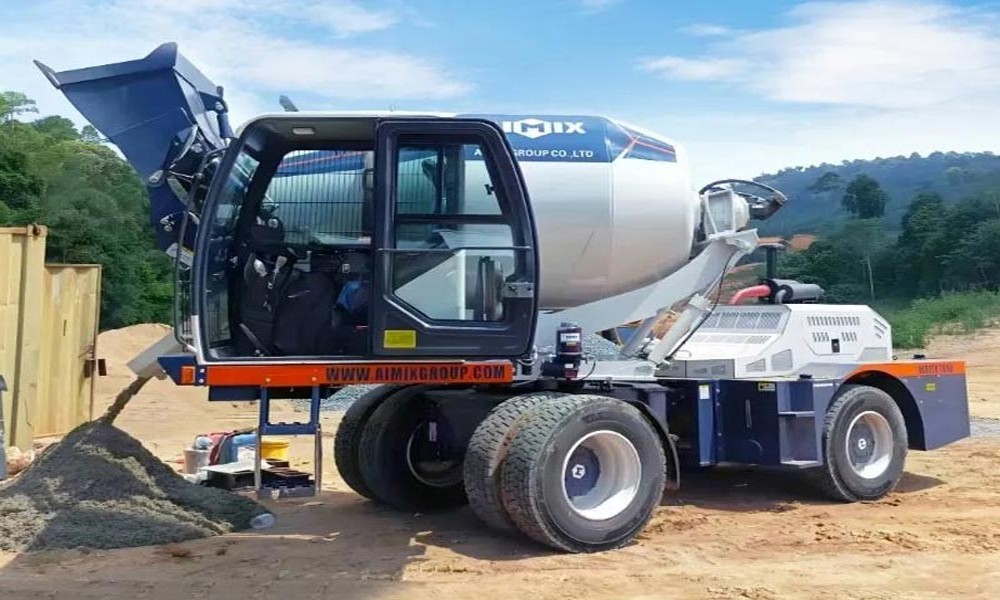
In remote construction environments-whether in rural infrastructure projects, mining sites, road development, or off-grid building locations-access to reliable electricity is often limited or nonexistent. Yet, the demand for consistent, high-quality concrete remains critical. In such conditions, a diesel cement mixer becomes an indispensable piece of equipment.
Designed for mobility, durability, and independence from grid power, diesel cement mixers provide a reliable solution for producing concrete in challenging environments. This guide explores why they are essential, how they work, and how to maximize their efficiency in remote construction projects.
What Is a Diesel Cement Mixer?
A diesel cement mixer is a concrete mixing machine powered by a diesel engine instead of an electric motor. It combines cement, sand, aggregates, and water to produce concrete, just like standard mixers, but without relying on electrical infrastructure.
These mixers are widely used in remote areas, infrastructure projects, and construction sites where power supply is unstable or unavailable.
Why Remote Projects Need Diesel Mixers
Lack of Electrical Infrastructure
Remote sites often do not have access to grid power. Diesel mixers operate independently, making them ideal for such conditions.
Unreliable Power Supply
Even when electricity is available, it may be inconsistent. Diesel-powered equipment ensures uninterrupted operation.
Mobility Requirements
Construction in remote areas often involves moving equipment across locations. Diesel mixers are typically designed for portability and rugged terrain.
Continuous Operation
Projects in isolated areas cannot afford delays. Diesel mixers provide consistent performance without dependency on external power sources.
Key Advantages of Diesel Cement Mixers
Power Independence
Diesel mixers eliminate the need for generators or electrical connections, reducing setup complexity.
High Performance in Tough Conditions
Diesel engines are built to handle heavy-duty operations and perform well in harsh environments.
Durability and Longevity
These mixers are designed for rugged use, making them suitable for long-term projects in challenging conditions.
Cost Efficiency
While fuel costs exist, eliminating the need for electrical infrastructure or generators can reduce overall project expenses.
Versatility
Diesel mixers can be used for various applications, including road construction, foundation work, and infrastructure development.
How Diesel Cement Mixers Work
The diesel engine powers the rotation of the mixing drum. Materials are loaded into the drum, where they are mixed through continuous rotation.
The process ensures uniform blending of cement, aggregates, and water to produce consistent concrete. Once the mix is ready, the drum is tilted or reversed to discharge the concrete.
Applications in Remote Construction
Road and highway construction in rural areas
Mining and quarry operations
Bridge and dam construction in isolated regions
Agricultural and irrigation infrastructure
Disaster relief and emergency construction projects
Their ability to function without electrical power makes them ideal for these scenarios.
Best Practices for Efficient Use
Plan fuel management to ensure uninterrupted operation.
Use proper mix designs to achieve consistent concrete quality.
Regularly maintain the engine and moving parts to prevent breakdowns.
Train operators on safe and efficient handling of the equipment.
Position the mixer strategically to minimize material transport effort.
Common Challenges and Solutions
Fuel Availability
Ensure proper fuel storage and supply planning to avoid interruptions.
Maintenance Requirements
Regular servicing is essential to maintain performance and extend equipment life.
Noise and Emissions
Use proper safety measures and consider environmental regulations when operating diesel equipment.
Transport and Mobility
Choose mixers with wheels or towing capabilities for easier movement across sites.
Diesel vs Electric Mixers: Which Is Better?
Electric mixers are suitable for urban or well-equipped sites with stable power supply. However, in remote or off-grid environments, diesel mixers offer unmatched reliability and independence.
Choosing between the two depends on project location, power availability, and operational requirements.
Conclusion
In remote construction projects, where access to electricity is limited, a diesel cement mixer is not just an option-it is a necessity. Its ability to deliver consistent performance, withstand harsh conditions, and operate independently makes it a vital tool for modern construction.
By understanding how to use and maintain diesel mixers effectively, construction professionals can ensure reliable concrete production, minimize delays, and achieve successful project outcomes even in the most challenging environments.