
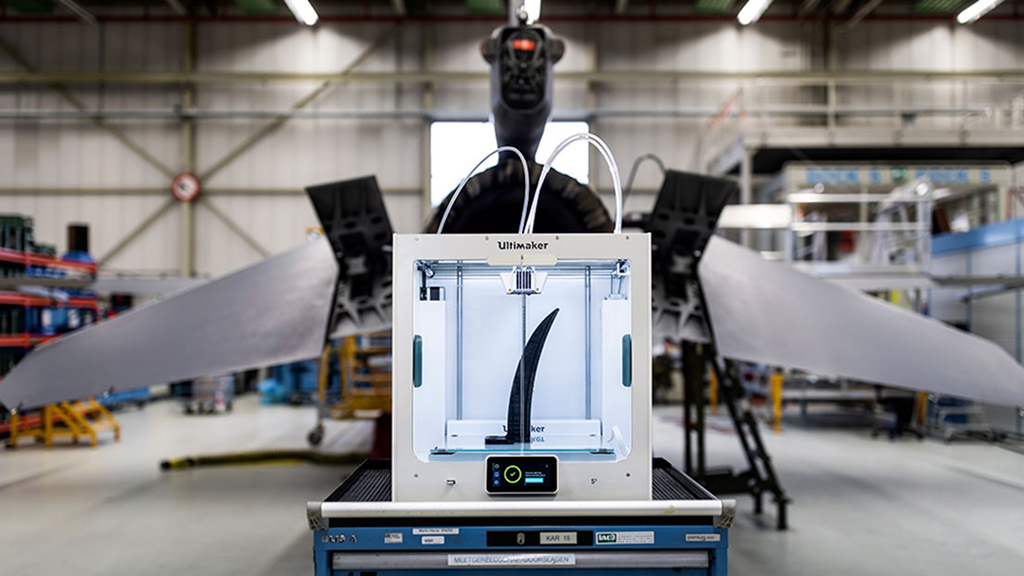
The aviation industry is still on the search for optimizing performance, efficiency, and safety. Aviation 3D printing is one technology that is changing the methods with which we manufacture and maintain aircraft at dizzying speed. This new process enables manufacturers to make complex parts quicker, lighter and often cheaper.
3D printing in aviation enables companies to reconsider the age-old concept of manufacturing products, from commercial airplanes to space machines components. The results are more than impressive: quicker production, less waste, and better components.
Understanding 3D Printing in Aviation
Essentially, aviation 3D printing is the process of manufacturing aircraft by building them up a layer at the time from digital designs. Unlike cutting or shaping materials from a solid block, printers create components layer by layer using metals like titanium and aluminum, as well as special polys.
This method allows engineers more latitude in design. They can create parts that would be difficult − or even impossible − to make through traditional means.
As the technology advances, 3D printing in aviation is growing as a fundamental tool for both aircraft manufacturers and maintenance groups.
Why Airlines and Manufacturers Are Embracing It?
The use case for business aviation comes with strict regulations and prohibitive costs. It follows then that anything that makes this process more efficient gets noticed quickly. The use of 3D printing in aviation has several large advantages.
Key benefits include:
- Lighter materials: Weight reduction means greater fuel efficiency.
- Quicker production: Parts can be printed in a few hours instead of requiring time-consuming machining processes.
- Lower costs in Inventory: Spare parts gets manufactured on demand.
- Design complexity: Complexity designs can be made easily unlike the traditional methods.
Such benefits allow airlines to lower operational expenses without compromising on safety.
Real Applications in Modern Aircraft
3D printing in aviation today is not some sort of experiment. It is in production at many aerospace companies.
Yes, aircraft manufacturers are now printing parts like:
- Cabin brackets
- Engine parts
- Air ducts
- Structural supports
These components are tested extensively before installation on aircraft. That often makes printed components stronger than those made by traditional means.
In aviation, maintenance teams are some of the biggest beneficiaries of 3D printing. Instead of waiting weeks for spare parts, technicians can 3D-print some components on site to reduce downtime.
Challenges Still Exist
When it comes to 3D printing in aviation, at the compared aircraft level there remained challenges, albeit promising ones. Certification processes for aircraft parts are robust, and printed elements are held to an especially high standard when it comes to safety.
Material can also be expensive, and not all components lend themselves to additive manufacturing. But these problems are being solved through ongoing research.
Testing will continue to increase as costs come down.
3D Printing in Aviation: A Tangible Future
The future looks very promising. It is assumed by specialists that with the help of printing people will soon be widely used in aviation, and then it will certainly be an integral part of aircraft manufacturing.
Soon, we will have major portions of the aircraft structures printed in large 3D printers based on advanced additive technologies. Space exploration programs are expanding on how 3D printing in aviation can assist with building components while being in space.
One thing is certain: this technology is transforming the way airplanes are designed, manufactured, and maintained.
It will also assist in designing and developing next-generation aircraft that are significantly faster, lighter, as well as more efficient as innovation endures.