
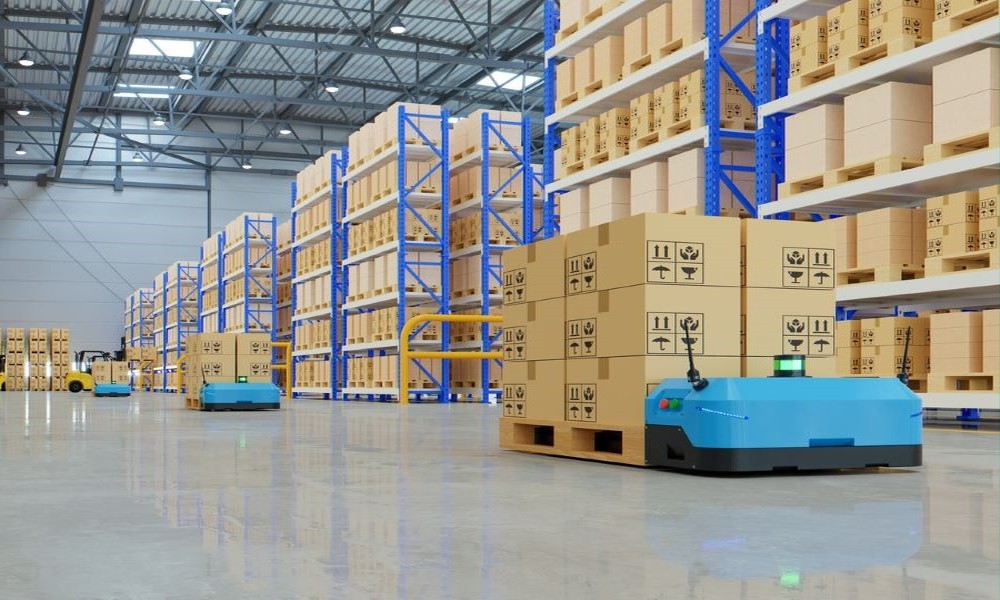
How warehouse operations evolved in a few years. Higher demands from customers, tighter delivery windows, and increased labor costs are now being faced by many businesses. This compels the companies to look for automation to keep up. The goods to person system are one potential solution that has been making the rounds.
Therefore, this technology enables warehouses to shift products into their proper places more efficiently while also increasing speed of sentiment and accuracy.
The Concept of the System
Enter traditional warehouses, where employees walk around aisles looking for products. It is a retraining process so it requires time and the effort is in physical terms.
How does a goods to person system work? Rather than moving employees to the products, automated systems bring products right to the workstation.
If items are picked & packed sort of a robotic, conveyor or in many cases automated storage units transport items to workers for picking and packing. This makes for a smoother workflow and minimizes unnecessary movement.
Why Speed Matters in a Modern Warehousing?
Most of ecommerce today is ruled by fast deliveries. Successful online shoppers expect fast shipping and correct orders.
With a goods to person system, businesses can fulfil thousands of orders on a much larger scale in a much quicker amount of time because workers stay in one place rather than walking around the warehouse.
This setup helps companies:
- Reduce order processing time
- Increase daily output
- Improve customer satisfaction
- Better management of peak shopping seasons
These enhancements can be a massive improvement for large distribution centers.
Improving Workplace Efficiency
Warehouse workers routinely walk long distances while working. That ends up making you tired and slower, when you do absolutely have to do it.
Automation changes that process.
In a goods to person system, workers stay bay at ergonomic stations, and technology moves the products. This means less physical effort and enables employees to work more efficiently.
Automated systems used to guide workers during the order process are also said to result in fewer picking mistakes at many companies.
Industries Benefiting from Automation
The demand for shorter cycles impacts many sectors, not just ecommerce.
Businesses using this system include:
E-Commerce Companies
Fast-order processing is critical for retailers who sell online in order to meet the expectations of home delivery.
Healthcare and Pharmaceuticals
Medical supplies rely on proper inventory management combined with rapid distribution.
Electronics and Manufacturing
Automated systems are also used in factories to help with part organization and to increase production speed.
After reaching adoption milestones, more industries continue to deploy automation systems as the technology continues to evolve.
Challenges Businesses Should Consider
Despite the benefits of automation, a goods to person system is not easy to implement.
A few common challenges consist of:
- High initial installation costs
- Requirements of employee training
- Software integration with existing systems
- Warehouse redesign expenses
But in the long run, have delivered cost efficiencies and reduced overhead costs, which allows companies to recover those costs.
Final Thoughts
With customers expecting ever speedier and more reliable fulfillment, modern warehouses are in need of faster solutions. Goods to person: also aiding the businesses in increasing order precision and cutting time and physical work.
With the changes in the supply chain, the role that automated warehouse systems will play in keeping companies competitive in a fast-acting market will surely only increase as well.