
Key Takeaways
During pregnancy, expecting mothers undergo substantial body changes, so identifying the best shoes that promote comfort and support is essential.
Pregnant women require strong arch support to combat foot pain and fatigue, particularly as the hormone relaxin loosens ligaments.
Footwear crafted from soft, breathable materials is advisable since it can accommodate foot expansion and improve overall comfort.
Flats offer stability, while low-heeled shoes deliver comfort without compromising on style.
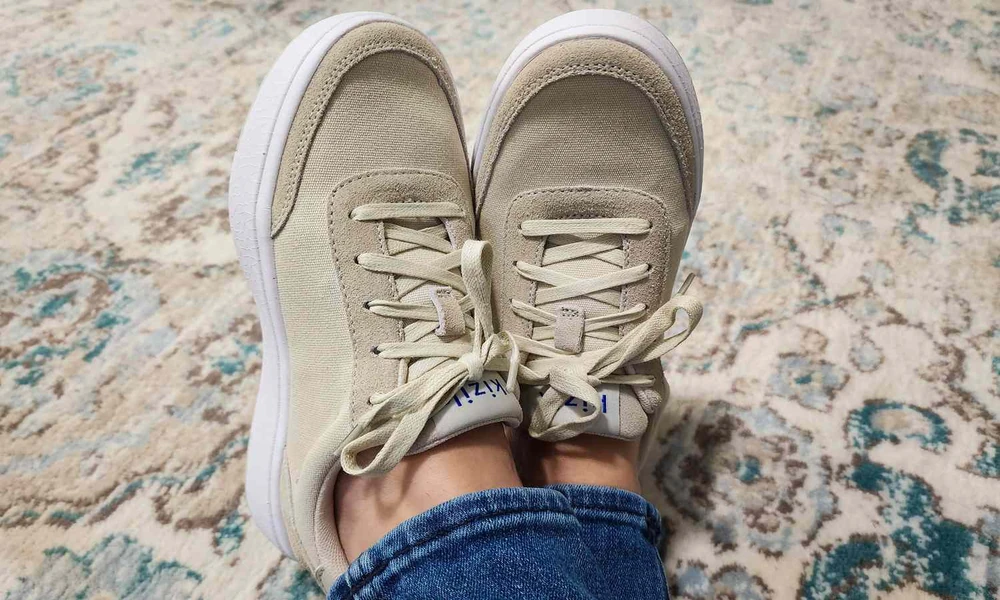
Specialized sneakers designed for pregnant women should include shock-absorbing soles and breathable fabrics to suit active lifestyles.
Healthcare professionals recommend brands like New Balance, Brooks, and ASICS, as they focus on comfort and support for pregnancy.
Moreover, budget-friendly shoe options can be just as effective as high-priced brands; finding the right fit and support takes precedence over cost.
Finding the Perfect Fit: Key Features to Look For
Expecting mothers confront numerous changes throughout their pregnancy. Their bodies experience significant transformations, including weight gain and posture adjustments, and this doesn’t just affect the belly-it impacts the feet, too. Therefore, discovering the best shoes for pregnant women is vital for ensuring comfort and support during this time.
Why Arch Support is Non-Negotiable
It’s undeniably true that strong arch support is paramount for expecting mothers. As their bodies produce relaxin, a hormone that loosens ligaments, foot pain can easily emerge. Without adequate arch support, discomfort is likely. Shoes that provide support help maintain a healthy posture while distributing weight evenly across the foot, which alleviates pressure and reduces fatigue.
The right pairing of arch support can transform the experience of wearing shoes. Seek out options that feature molded arches or cushioned insoles specifically designed to deliver the necessary support. Here are key benefits of proper arch support:
- Reduces strain on the lower back
- Minimizes foot fatigue
- Ensures better distribution of weight
- Helps prevent plantar fasciitis
Materials That Make a Difference in Comfort
The selection of materials used in shoes significantly contributes to overall comfort. Soft, breathable fabrics foster airflow while accommodating common foot expansion during pregnancy. Look for shoes crafted from the following materials:
- Natural leather and suede for durability and flexibility
- Mesh fabrics that enhance breathability and keep feet cool
- Cushioned foam for comfort during longer wear
Additionally, waterproof materials can be helpful in wet weather, helping to keep feet dry and comfortable. It’s crucial for shoes to be flexible enough to adapt to the feet’s changing shape, preventing discomfort.
Top Shoe Styles for Every Stage of Pregnancy
The choice of shoe style can greatly affect the pregnancy experience. Each stage presents unique needs, and knowing which styles are best suited for these phases can facilitate smoother transitions and enhance comfort.
Flats vs. Heels: What’s Best for Expecting Moms
The classic debate over flats versus heels takes on heightened significance during pregnancy. While some mothers-to-be may yearn for the elegance of heels, many healthcare professionals advise opting for shoes that prioritize stability over style. Flats, with their low center of gravity, minimize the chances of tripping, and well-structured flats do wonders for comfort.
However, flats aren’t the sole option. Expecting mothers might also consider low-heeled shoes that provide a chic touch without compromising comfort. Here are some important elements to consider:
- Choose flats with cushioned insoles and arch support.
- If opting for heels, select lower and wider styles.
- Ensure straps and closures fit snugly to avoid slipping.
Active Lifestyle: Best Sneakers for Pregnant Women
For those who prioritize an active lifestyle, selecting the right sneakers is essential. Sneakers specifically designed for pregnant women offer the required cushioning and arch support. They have become a staple for those looking to stay fit during pregnancy. Recommended features often include:
- Shock-absorbing soles that cushion impacts
- Breathable mesh uppers to promote airflow
- Adjustable features (like laces or Velcro) for a personalized fit
“Investing in the right sneakers can significantly enhance comfort levels and overall well-being for pregnant women.”
Finding an appropriate pair involves more than just looking for specific brand names. Understanding the unique demands of a pregnant body can lead to much more effective footwear choices.
Real-World Reviews: Expecting Moms Share Their Favorites
The insights of fellow expecting mothers hold great value in the decision-making process. Hearing experiences from those who have navigated this journey can highlight the most reliable and comfortable footwear options. Here’s a look into some favorites shared among the expecting community.
The Go-To Shoes Recommended by Healthcare Professionals
Healthcare professionals typically maintain a shortlist of shoe suggestions for pregnant women, favoring brands that emphasize functionality alongside comfort. Frequently endorsed shoes include:
- New Balance for enthusiasts of running
- Brooks for their exceptional support
- ASICS for their advanced cushioning technology
These brands often integrate features designed specifically to address the changing foot requirements during pregnancy, providing lasting comfort that mothers appreciate.
Budget-Friendly vs. High-End: Which Option Reigns Supreme?
There’s a widespread belief that high-end shoes are always superior. Yet, numerous budget-friendly options deliver comparable support and comfort. Of course, the quality of materials and craftsmanship can vary widely. Here’s a brief overview for expecting mothers:
- Budget-conscious options may include brands like Skechers or Adidas.
- High-end brands, like Birkenstock, often provide top-tier support.
- Trying out both styles can help gauge comfort levels personally.
Ultimately, the focus should remain on what feels best. Discovering shoes that fit well and offer essential support is far more crucial than the price tag.
Making the Transition: Gradually Adapting to Your New Shoes
Switching to new shoes can be a challenging transition during pregnancy. Therefore, making this change gradually is key. Abrupt shifts in footwear can lead to discomfort or strain, so allowing time for acclimatization is important in avoiding complications.
Breaking In New Footwear: Tips from the Experts
Experts suggest that breaking in new shoes shouldn’t be an arduous experience. A few straightforward strategies can ease this process:
- Start by wearing new shoes for short intervals.
- Gradually extend wear time to let the foot adjust.
- Consider using thicker socks initially to help mold shoes to the feet.
These approaches can reduce discomfort while improving the overall wearing experience. Regular wear during the break-in phase generally reveals whether the shoes will be suitable in the long run.
How to Handle Swollen Feet with Style
Swollen feet are a common reality for many women during pregnancy. However, this doesn’t necessitate a sacrifice in style. The right footwear can make this temporary condition much more manageable. Here are some suggestions to keep in mind:
- Select shoes with adjustable straps or elastic features.
- Look for styles designed to accommodate swelling, allowing feet to breathe.
- Considering supportive compression socks can add comfort.
Implementing these strategies not only elevates comfort but preserves a sense of style. Fashion doesn’t have to take a backseat while embracing the changes of pregnancy.
FAQ
What are the effects of pregnancy on foot anatomy?
Pregnancy triggers various changes in the anatomy of the feet due to weight gain and shifts in hormones. Arches may flatten, and feet can widen, leading to discomfort. Understanding these alterations can aid in selecting the most supportive footwear.
How can I manage foot pain during pregnancy?
Managing foot pain in pregnancy often requires a combination of appropriate footwear, rest, and targeted exercises focused on strengthening the feet and legs. Regular stretching and utilizing ice packs can also be beneficial in alleviating discomfort.
Are orthotic inserts a good option for expecting mothers?
Orthotic inserts can significantly help pregnant women dealing with foot pain. They provide extra arch support and cushioning, making them an excellent choice for enhancing comfort and stability throughout pregnancy.
What types of shoes are ideal for postpartum recovery?
During postpartum recovery, shoes that prioritize comfort and ease of movement are essential. Supportive sneakers and cushioned sandals are ideal for reducing foot strain and aiding the body as it adjusts following childbirth.
Can wearing the wrong shoes affect labor and delivery?
Experiencing foot discomfort in the weeks leading up to labor can distract from the birthing process. Wearing comfortable, supportive shoes can help maintain overall comfort and focus during labor.
What styles should be avoided during pregnancy?
Generally, high-heeled shoes and overly restrictive footwear should be avoided during pregnancy. Such styles can increase the risk of trips or falls, and they often lack the essential support needed for a changing body.
How often should shoes be replaced during pregnancy?
Replacing shoes every few months is wise, especially as the body undergoes changes during pregnancy. Keeping an eye on excessive wear and any discomfort is crucial for ensuring continued support and comfort.
Are any specific brands known for their comfort during pregnancy?
Numerous brands consistently receive recognition for their comfort and support levels during pregnancy; New Balance, Brooks, and ASICS are frequently at the forefront. These brands emphasize features that accommodate the distinctive requirements of expecting mothers.