
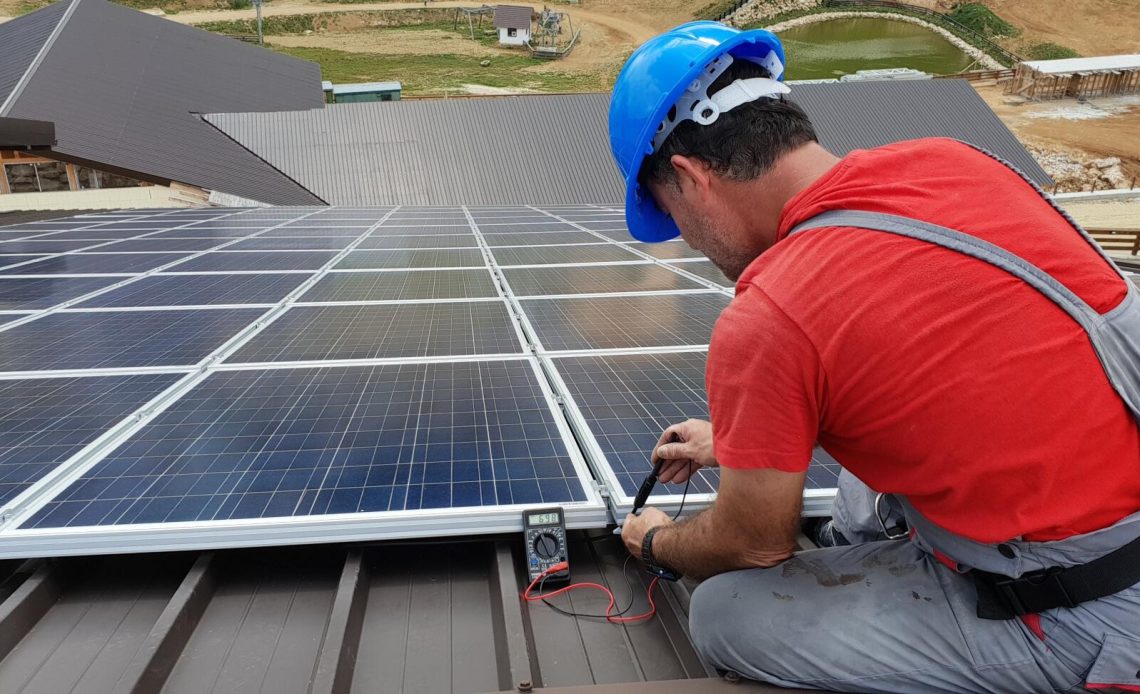
Rooftop solar has moved from a niche upgrade to a smart property improvement across Tucson. Sun exposure stays strong for most of the year, which makes timing an installation or service call a key decision. Property owners who understand when to reach out to solar service providers gain better system performance and smoother project timelines.
Seasonal weather patterns, utility rate shifts, and equipment age all shape the ideal moment for professional support. Delaying service can lead to reduced energy output and higher utility bills. Early action keeps systems efficient and protects long-term value. One can also get in touch with Sunblaze Energy in Tucson, AZ.
Signs Your System Performance Starts to Drop
Solar panels rarely fail without warning. Subtle changes usually appear first, and quick attention keeps small issues from growing.
Watch for these performance clues:
- Monthly energy production numbers fall even though sunlight remains steady.
- The inverter display shows irregular readings or error codes.
- Utility bills rise while system size and usage habits stay the same.
- Monitoring apps report gaps in data or unexpected shutdowns.
These signals point to wiring faults, inverter stress, or panel surface buildup. Technicians can trace the source with diagnostic tools and restore output levels. Prompt service protects system lifespan and keeps savings consistent.
Seasonal Shifts That Affect Service Timing
Tucson’s climate plays a strong role in solar care schedules. Intense summer heat places stress on inverters and electrical connections. Monsoon storms bring dust, debris, and sudden moisture that affect panel surfaces.
Spring and early fall provide ideal windows for inspections and tune-ups. Temperatures remain moderate, which allows crews to work efficiently on rooftops. Stable weather also reduces project delays and helps providers maintain tighter schedules.
Home Renovations or Roof Work on the Horizon
Property upgrades create a natural point to contact solar professionals in Tucson. Roof repairs, replacements, or structural adjustments impact panel mounting systems. Coordination prevents damage and reduces labor costs.
Situations that call for a solar consultation:
- Roof replacement plans within the next year.
- Attic insulation or ventilation upgrades.
- Addition of a second story or major extension.
- Installation of new HVAC units that change energy use.
Service providers can plan panel removal and reinstallation with roofing contractors. Advance coordination avoids rushed decisions and keeps warranties intact. Clear communication protects both the roof and the solar investment.
Changes in Energy Use Inside the Property
Energy needs rarely stay static. Household growth, remote work, or new appliances can shift electricity demand quickly. System capacity that once felt sufficient may start to feel tight. Electric vehicle chargers, pool pumps, and high-efficiency cooling units increase load during peak sun hours.
Solar professionals can evaluate current production versus demand and suggest panel additions or battery storage. Upgrades at the right time keep utility reliance low and maximize solar value. For example, one can get in touch with Sunblaze Energy in Tucson, AZ.
Incentives, Rebates, and Utility Rate Adjustments
Financial programs influence the ideal moment to reach out. Utility rate structures in Arizona can change, which affects payback periods and system sizing decisions. Incentives at the state or federal level may also shift.
Early contact with a service provider in Tucson allows time to review available rebates and documentation requirements. Installations planned around incentive deadlines avoid missed savings. Rate increases also create urgency, as higher tariffs strengthen the case for system expansion or storage integration.
So, solar systems deliver strong returns in Tucson, yet timing service calls makes a real difference. Performance signals, seasonal patterns, property upgrades, and energy demand changes all point to ideal contact moments. Reaching out at the right stage keeps systems reliable, efficient, and ready for years of solar-powered savings.