
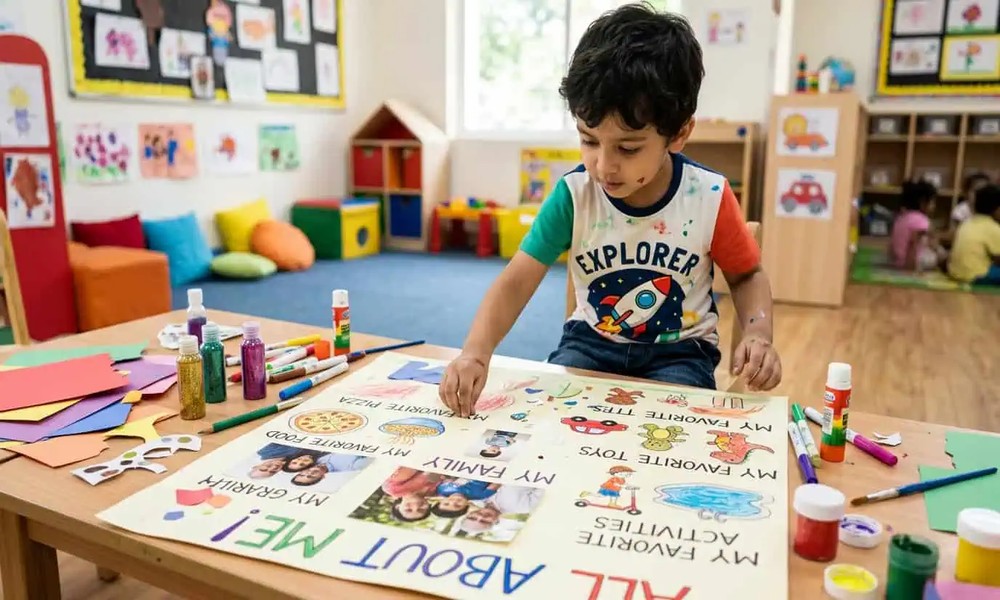
A child’s confidence before preschool sometimes develops through small, meaningful experiences at home. Everyday activities that involve communication, movement, creativity, and routine help young children feel secure in unfamiliar environments. Strong emotional support during the early years also encourages children to participate more comfortably in group settings, follow instructions, and express their needs clearly.
Families searching for healthy ways to prepare children for preschool sometimes explore programs for parents and young children that encourage shared learning experiences. Structured parent-child interaction helps children build trust, independence, and emotional readiness while creating positive learning habits before classroom routines begin.
Hands-On Activities That Encourage Early Confidence
Young children respond well to activities that allow them to participate actively instead of simply observing. Hands-on experiences strengthen attention span, communication skills, and emotional comfort.
Art Activities That Support Self-Expression
Creative projects help children share ideas without pressure. Painting, coloring, and simple crafts encourage children to make choices independently while improving hand coordination.
Helpful activities include:
- Finger painting with washable colors
- Large-shape coloring activities
- Simple paper collage projects
- Clay or dough shaping exercises
Pretend Play That Builds Social Skills
Pretend play introduces children to everyday social situations in a relaxed setting. Role-playing activities improve language development and help children practice emotional responses naturally.
Useful pretend play ideas include:
- Grocery store role play
- Pretend classroom activities
- Tea parties with stuffed toys
- Puppet storytelling sessions
Outdoor Parent Child Activities That Support Preschool Readiness
Outdoor experiences help children develop confidence through movement, observation, and exploration. Physical activity also supports emotional balance and improves focus before preschool begins.
Nature Walks That Encourage Curiosity
Simple outdoor walks create opportunities for children to ask questions and notice details in their surroundings. Conversations during walks improve vocabulary while helping children feel engaged and connected.
Children sometimes enjoy activities such as:
- Collecting leaves and flowers
- Counting birds or trees
- Identifying colors outdoors
- Listening to different sounds in nature
Movement Activities That Build Independence
Physical movement teaches children how to trust their own abilities. Climbing, balancing, jumping, and guided obstacle activities improve coordination and encourage persistence.
Many families participating in programs for parents and young children choose movement-based learning because it helps children follow directions, manage energy, and feel more confident during group participation. Simple movement games also introduce structure in a way that feels enjoyable instead of overwhelming.
Daily Routines That Help Children Feel Secure
Consistent routines create emotional stability before preschool starts. Predictable daily habits help children understand expectations and reduce anxiety about unfamiliar situations.
Small responsibilities at home encourage independence and confidence. Helpful routine-based activities include:
Choose Structured Parent Child Learning Programs For Early Social Development
Structured parent-child learning programs help young children practice communication, listening, cooperation, and emotional control before preschool. Guided activities introduce familiar routines, shared play, and age-appropriate social interaction in a supportive group setting.
Parent participation programs also help families understand early developmental needs with clearer direction. Trained educators use play, music, movement, stories, and guided exploration to build confidence, encourage participation, and support steady social growth at home and in early classroom settings.
Building Preschool Confidence Through Consistent Interaction
Children build preschool confidence through familiar daily activities such as reading together, completing puzzles, cleaning up toys, and joining pretend play. These simple tasks improve listening, communication, patience, and emotional expression before a child enters a classroom setting.
Consistent encouragement during everyday routines helps children feel secure while learning new skills. Allowing children to make small choices, practice independent tasks, and engage in structured play supports emotional readiness and social comfort before preschool begins. Familiar routines and steady parent involvement also help reduce anxiety around separation and new learning environments.