
How do burns differ?
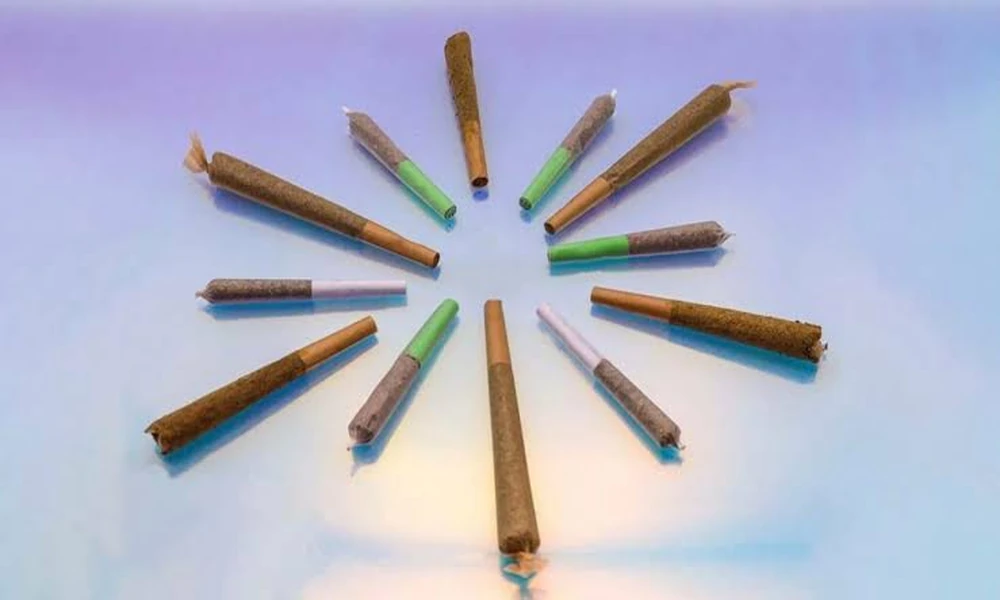
Burn speed shifts between strain types because bud shape changes how tightly material sits inside a cone. Tight, compact flower packs heavier and slow a flame, while light, airy flowers let more air through and burn faster.
Anyone comparing best hemp pre rolls online strain types notices burn time varying even at matched cone sizes. Dense material fills a cone using less space per gram, holding heat near the lit end. Flame moves steadily, and ash stays together in a firm grey cone. Airy material takes up more room per gram, leaving gaps that pull air through quickly. Flame travels faster, ash breaks apart sooner, and warmth reaches the mouth end.
Neither pattern counts as a fault. Gaps of several minutes show up between strain types at equal fill weights, coming from flower shape rather than build quality.
How does smoking feel?
- A strain’s ability to pull air through depends on moisture and grind size, both of which differ across strain types. Sticky, resin-heavy flower stays damp longer, while drier leafy stock crumbles into finer pieces once ground.
- Fine pieces sit closer together, making a pull feel harder even when fill weight reads correctly. Coarser pieces from sticky flower leaves leave more open space, easing airflow through, letting a burn wander down one side.
- Storage widens that gap across weeks. Sticky material stays workable while drier stock keeps drying out, so one strain gets steadily harder to pull on during shelf life while another barely changes.
Groups and their habits
Popular strain types fall into rough groups sharing similar habits once lit.
- Tight compact flower – Slower burns, firmer ash, steady warmth across a whole session.
- Loose airy flower – Quicker travel, lighter ash, warmer smoke toward the mouth end.
- Sticky resin flower – Coarser grind, easy airflow, sometimes uneven burning along one side.
- Dry leafy stock – Finer grind, harder pull, quicker stiffening during storage.
- Mixed shape batches – Uneven burning inside one batch, needing closer checks before packing.
Habits hold broadly, though individual harvests shift within a group, and no season repeats another exactly.
Two cones compared
- Comparison between strain types matters less than steadiness within a single one. Two cones of matching strain should burn within a narrow band of each other, and anything wider points toward a build problem rather than flower character.
- Reference ranges, therefore, get set per strain rather than shared across a whole range. A reading that suggests overpacking in dense flower sits comfortably inside the range for airy material, so one shared limit would reject sound cones while letting faulty ones pass.
- Anyone judging quality can apply similar thinking. Repeated sessions from one strain show whether differences belong to flower shape or to how a cone was built, and a second cone from the same batch answers most questions quickly.
Flower character explains much of what people notice between cones, though it never accounts for everything. Separating what bud shape causes from what assembly causes turns comparison into something useful rather than confusing. Steadiness within one strain remains the clearer signal.